Writing / The Word
"Sorry" Doesn’t Fix Everything
Nicholas Ilechie / / 2 min read
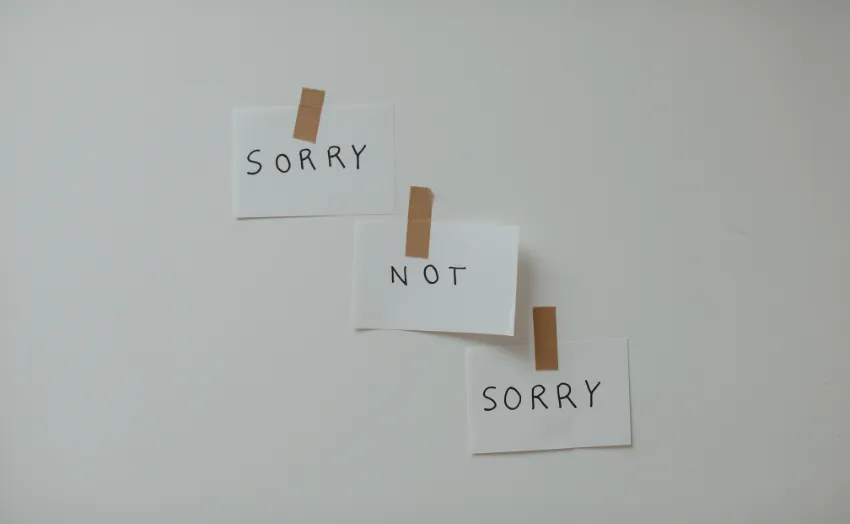
What exactly is "Sorry"?
It’s foolish to think "sorry" can fix everything.
You kill a mother’s only child, then say "sorry"?
You destroy someone’s life’s work, then say "sorry"?
You betray someone who trusted you, and think "sorry" heals it?
No. No. No.
"Sorry" is for accidents.
Spilling coffee on someone's shirt.
Stepping on someone’s shoes.
Mistakes that are small, unintentional, and repairable.
But for betrayal? For cruelty? For selfishness?
"Sorry" doesn’t even scratch the surface.
And most of the time, the "sorry" people offer isn’t even about the one they hurt.
It’s about easing their own guilt.
It’s about escaping the weight of their actions without actually doing the hard work of repair, repentance, and change.
If you can't resurrect the dead, restore what you destroyed, or rebuild trust through consistent action—
then your "sorry" is meaningless.
Understand this:
- "Sorry" doesn’t raise the dead.
- "Sorry" doesn’t mend a shattered heart.
- "Sorry" doesn’t erase betrayal.
- "Sorry" doesn’t delete consequences.
Pain stays.
Loss stays.
Scars stay.
You can’t just break people and walk away feeling better because you muttered "sorry."
Real apology isn't what you say - it's who you become after what you did.
- It’s distance when needed.
- It’s silence when empty words would make it worse.
- It’s radical change when you realize how much you damaged.
And even then, forgiveness is not owed to you.
No matter how "sorry" you are.
So next time you think about throwing "sorry" at someone you broke—
check yourself.
Either show up different, or don’t show up at all.
K.